Key Takeaways
- Running offers significant physical and mental health benefits that support independent living as you age.
- Starting slowly with a walk-run program and getting medical clearance helps you return to running safely.
- Proper footwear and gear can prevent injuries and make your runs more comfortable.
- Building rest days and listening to your body are key strategies for long-term success.
- Senior living communities provide supportive environments and resources for maintaining active lifestyles.
Why Running Remains a Great Exercise Choice as You Age
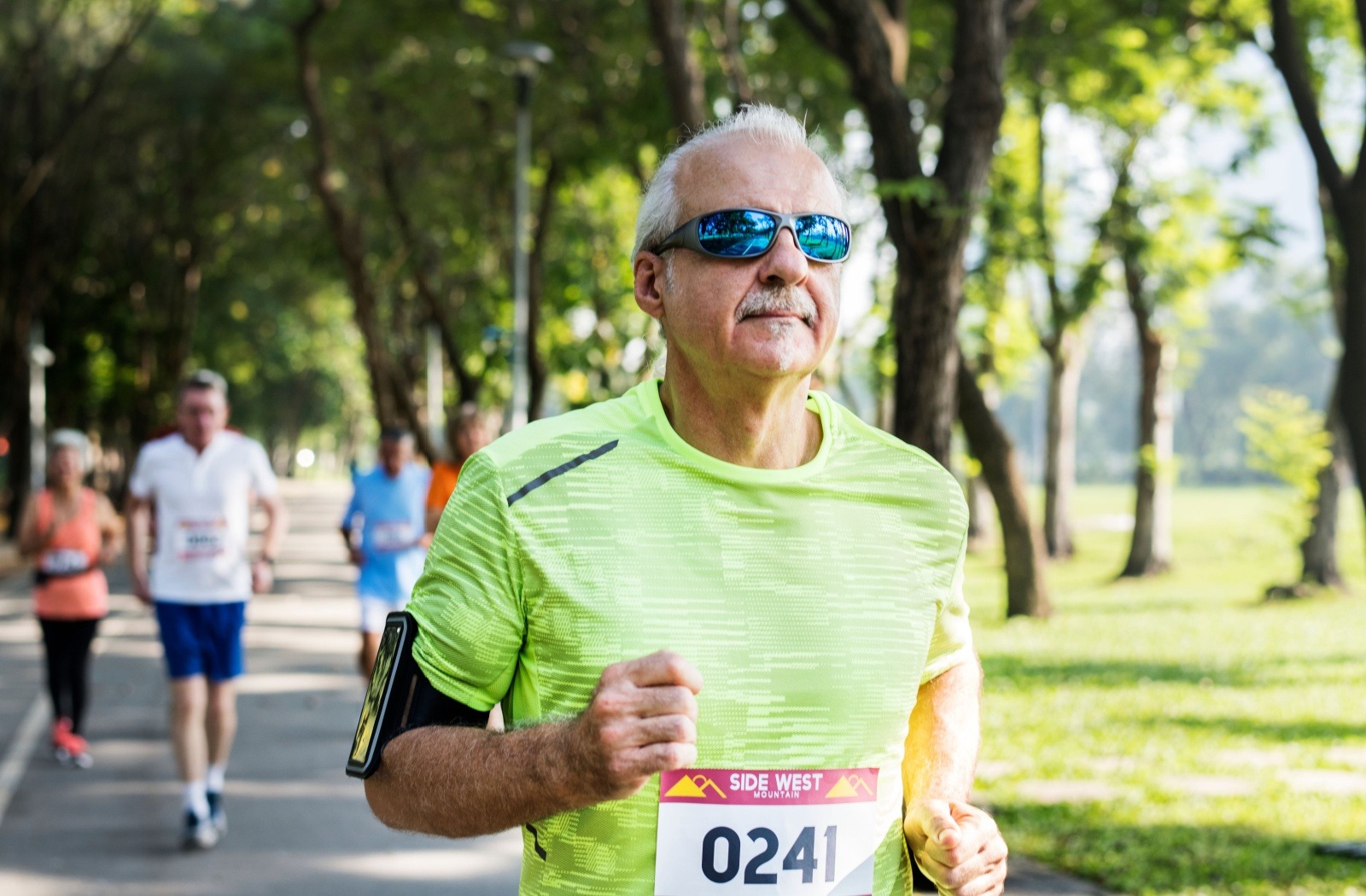
You might think your running days are behind you, but that couldn’t be further from the truth. Running remains one of the most beneficial exercises you can do, regardless of your age, offering unique advantages for your heart, mind, and overall quality of life. At Kingston Residence of Santa Fe, the team understands how important staying active is for maintaining your independence and vitality.
Your heart gets stronger with each run, pumping blood more efficiently throughout your body. Running also helps maintain bone density, which becomes increasingly important as you age. The weight-bearing nature of running signals your bones to stay strong and resilient. The independent living programs in senior communities often include running as part of their cardiovascular health initiatives.
Beyond the physical benefits, running can lift your mood and reduce stress and anxiety. The rhythmic motion and fresh air work together to clear your mind and boost your energy levels. Many runners describe feeling more positive and focused after their runs.
Running also opens doors to social connections. Local running groups welcome participants of all paces, and you’ll often find friendly faces who share your commitment to staying active. These relationships can become meaningful friendships that extend beyond your runs.
How to Start or Return to Running Safely
Before you lace up your running shoes, schedule a conversation with your healthcare provider. They can assess your current health status and provide personalized advice based on any conditions you may have. This step gives you confidence and peace of mind as you begin your running journey.
Start with a walk-run approach that gradually builds your endurance. You might walk for 5 minutes, then jog lightly for 1 minute, repeating this pattern for 20-30 minutes. This method allows your body to adapt without overwhelming your muscles and joints.
Set goals that match your current fitness level rather than comparing yourself to your younger self or other runners. Maybe your goal is to run for 10 minutes without stopping, or to complete a local 5K walk-run event. These achievable targets keep you motivated and moving forward.
Simple Program Structure for New Runners
During your first 2 weeks, focus on alternating between walking and light jogging. Try jogging for 30-60 seconds, then walking for 2-3 minutes to recover. Repeat this cycle 6-8 times during each session.
In weeks 3-4, gradually increase your jogging intervals to 90 seconds or 2 minutes while reducing your walking recovery time. Your body will start to feel more comfortable with running during this phase. Similar to assisted living activities, progress should be steady but comfortable.
After week 5, you can begin building longer, continuous running segments. Some days you might run for 5-10 minutes straight, while other days you return to intervals based on how you feel.
Smart Gear Choices That Make a Difference
Your running shoes are your most important piece of equipment. Visit a specialty running store where staff can analyze your gait and recommend shoes that match your foot type and running style. Proper shoes cushion your joints and provide the support you need for comfortable runs.
Choose clothing made from moisture-wicking materials that pull sweat away from your skin. Cotton tends to stay wet and can cause chafing, while synthetic fabrics keep you dry and comfortable throughout your run. Quality athletic gear can help support your memory care wellness goals by making exercise more comfortable and sustainable.
If you run in the early morning or evening twilight, reflective gear helps drivers and cyclists see you clearly. Reflective vests, arm bands, or shoes with reflective elements add an important safety layer to your runs.
Consider using a fitness tracker or smartphone app to monitor your progress. These tools can track your distance, pace, and running time, helping you see improvement over weeks and months.
When to Replace Your Running Shoes
Most running shoes need replacement after 300-500 miles, depending on your running style and the surfaces you run on. Keep track of your weekly mileage to estimate when you’ll reach this point.
Look for signs such as worn tread on the sole, compressed midsole cushioning, or uneven wear patterns. If you notice new aches in your knees or feet, your shoes might be telling you it’s time for a fresh pair.
Proper footwear prevents common running injuries by maintaining the cushioning and support your body relies on. Think of new shoes as an investment in keeping your runs pain-free and enjoyable.
Injury Prevention and Recovery Strategies

Always begin your runs with a 5-10 minute warm-up walk. This gradual start prepares your muscles and joints for the increased activity ahead. Your body performs better when it has time to adjust to movement.
Include gentle stretching after your runs when your muscles are warm and flexible. Focus on your calves, hamstrings, and hip flexors—areas that work hard during running. Hold each stretch for 20-30 seconds without bouncing.
Build rest days into your weekly routine to give your body time to recover and rebuild. You might run 3 days per week with walking or light activities on the other days. Recovery time is when your fitness actually improves. Senior-specific workout programs help you create a balanced routine that includes adequate rest.
Pay attention to early warning signs like persistent soreness, unusual fatigue, or minor aches that don’t go away. Addressing these signals early prevents them from developing into more serious issues. Just as staying hydrated matters for your health, listening to your body’s signals is important for maintaining a safe running routine.
Common Running Issues and How to Address Them
Knee discomfort often comes from running too fast or too far too soon. Focus on landing with your foot under your body rather than reaching out with long strides. Shorter, quicker steps reduce impact on your knees.
Prevent shin splints by increasing your running time gradually—no more than 10% each week. If you feel pain along your shins, take a few days off and return with shorter, easier runs.
Muscle soreness after runs is normal, especially when you’re building your routine. Gentle movement, like walking or light stretching, can help ease stiffness. A warm bath or shower also helps relax tight muscles.
How Senior Living Communities Support Active Lifestyles
Senior living communities often feature walking trails, fitness centers, and outdoor spaces designed with active residents in mind. These amenities make it easy to maintain your running routine without traveling far from home.
Communities often offer group exercise programs and walking clubs for all fitness levels, helping you find running partners and supportive neighbors who share your goals. With on-site healthcare professionals available for guidance and peace of mind, you can stay active confidently. Plus, the friendships you build create a strong support system—reassuring both you and your family that you’re pursuing a healthy lifestyle safely.
At Kingston Residence of Santa Fe, the team understands the importance of maintaining an active lifestyle that brings you joy and supports your independence. The community provides the perfect environment for pursuing your fitness goals while enjoying the support and connections that make life richer.
Contact the team today to learn more about how they can support your active lifestyle in their caring Santa Fe community.